If you’ve ever dreamed of embarking on a journey that fuses faith, history, and adventure, few experiences rival a pilgrimage tracing the footsteps of St. Paul the Apostle. Known as the tireless missionary of the early Church, St. Paul’s travels laid the spiritual foundation for Christianity in Europe and beyond. His journeys—chronicled in the Acts of the Apostles and his Epistles—took him across modern-day Israel, Syria, Turkey, Greece, and even to Rome.
For the modern pilgrim, retracing these biblical paths is more than a travel experience—it’s a spiritual awakening. Let’s journey through the key destinations that marked St. Paul’s life and ministry and explore why each location offers such powerful opportunities for prayer, reflection, and renewal.
Damascus, Syria – The Conversion Site
Every St. Paul pilgrimage must begin with the road to Damascus. It was here that Saul, the persecutor of Christians, encountered the risen Christ in a blinding light. This life-altering moment (Acts 9:1–19) transformed him into Paul, the greatest missionary of the early Church.
While modern travel to Damascus is limited due to regional instability, pilgrims reflect deeply on this spiritual turning point—often during Mass or guided meditations in safer locations, such as nearby Jordan or Israel. This encounter reminds us that no one is beyond the reach of God’s grace.
Antioch (Antakya, Turkey) – The First Christian Community
After his conversion, Paul joined the Christian community in Antioch, where believers were first called “Christians” (Acts 11:26). It became the launching point of his missionary journeys.
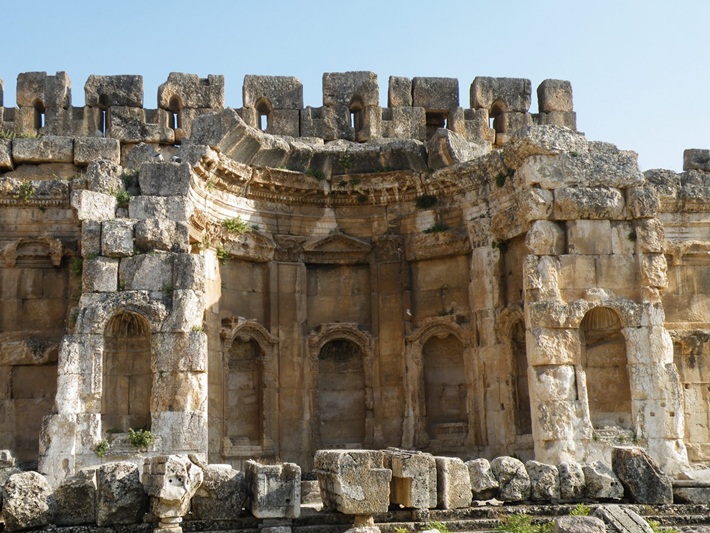
Today, the ancient city of Antioch (now Antakya) offers archaeological ruins, cave churches, and ancient mosaics that link visitors to the very beginnings of Christian identity. A visit here evokes a deep sense of belonging to the original body of believers.
Cyprus – The First Missionary Journey
Paul’s first journey took him to Cyprus (Acts 13). Alongside Barnabas and John Mark, he preached across the island, converting the Roman proconsul Sergius Paulus.
Today, pilgrims can explore the ancient city of Paphos, a UNESCO World Heritage Site, where tradition holds that Paul was scourged for preaching the Gospel. Standing by the “Pillar of St. Paul,” one cannot help but feel the cost of discipleship and the courage it demands.
Asia Minor (Modern-Day Turkey) – The Heart of Paul’s Ministry
Turkey is home to some of the most significant locations in St. Paul’s missionary journeys:
- Perga, Pisidian Antioch, and Iconium: These early mission fields saw Paul preaching in synagogues, performing miracles, and facing persecution (Acts 13–14).
- Lystra and Derbe: In Lystra, Paul was stoned and left for dead—but survived and kept preaching (Acts 14:8–20).
- Ephesus: Paul spent over two years here during his third journey (Acts 19), confronting idolatry and strengthening the early Church. The ruins of the Temple of Artemis and the ancient theater of Ephesus allow visitors to imagine Paul’s bold preaching in a pagan world.
Pilgrims often travel through Turkey on organized tours that connect them with early Christian heritage while experiencing the country’s natural beauty and cultural hospitality.
Philippi – The First Church in Europe
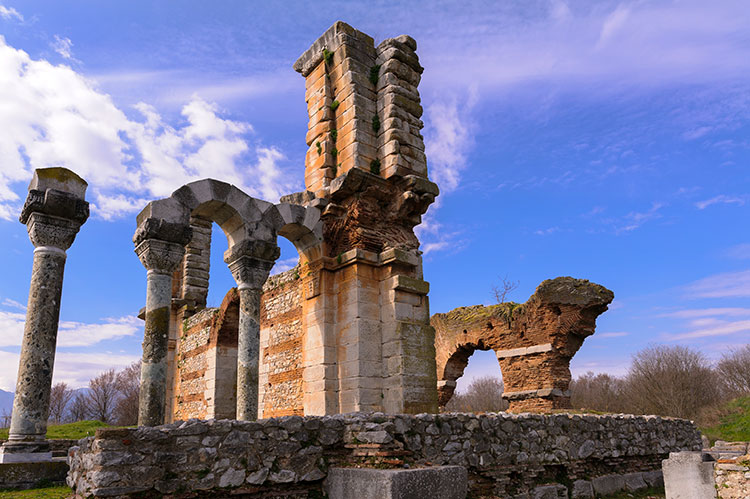
Crossing into Europe, Paul’s first stop was Philippi (Acts 16). Here, he met Lydia, the first European convert, baptized her household, and established the first Christian community on the continent.
Today’s pilgrims to Philippi can visit the river where Lydia was baptized, the ruins of early churches, and the prison where Paul and Silas were miraculously freed after singing hymns in chains.
Thessalonica and Berea – Faith Amid Persecution
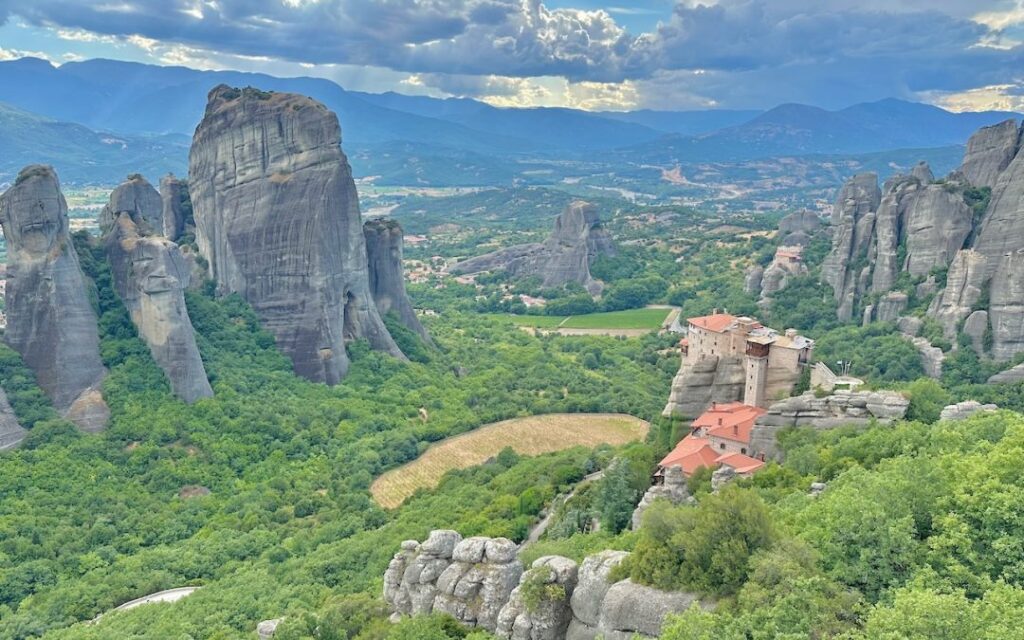
Paul’s preaching in Thessalonica caused an uproar, and he was forced to flee to Berea (Acts 17). While both cities accepted the message, Bereans were praised for “examining the Scriptures daily.”
Modern visitors to Thessaloniki and Veria (Berea) find thriving Orthodox communities, historic basilicas, and well-preserved ruins. These cities remain vibrant testimonies to enduring faith.
Athens – Reason Meets Revelation
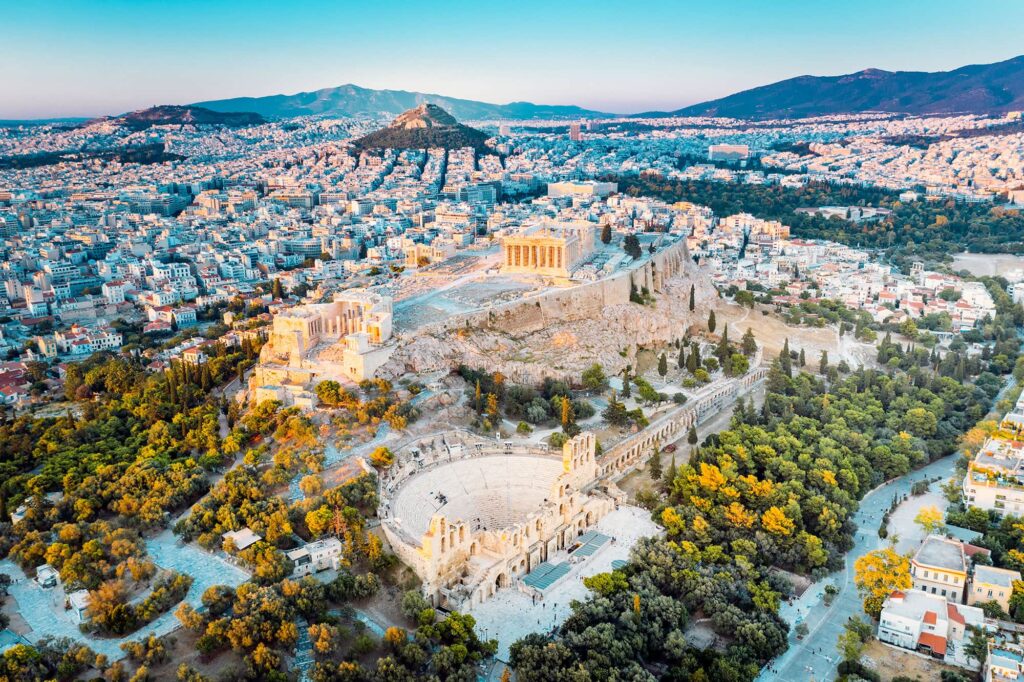
In Athens, Paul addressed the Areopagus and engaged Greek philosophers (Acts 17:16–34). His speech on the “unknown god” remains one of the most eloquent defenses of Christian belief.
Climbing Mars Hill, pilgrims today reflect on the harmony—and tension—between faith and reason. Athens is a city where the Gospel confronted classical philosophy, and where spiritual seekers continue to ask life’s big questions.
Corinth – The Struggles of a Young Church
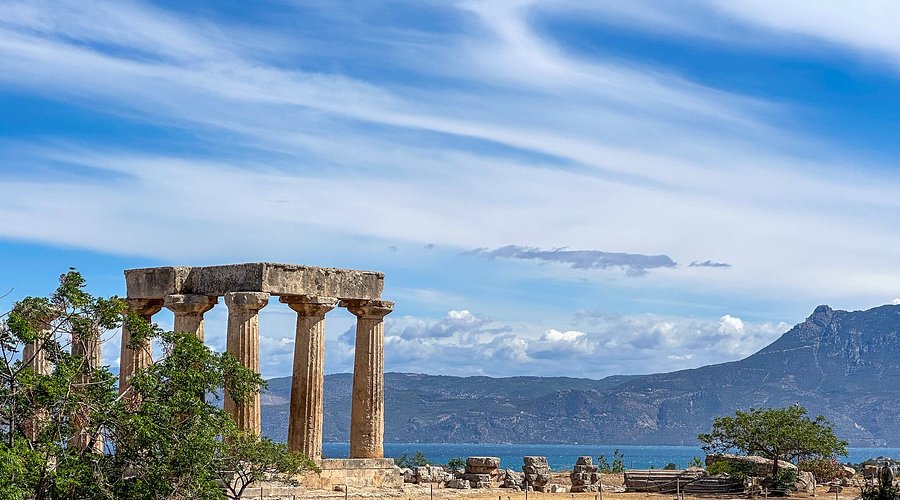
Paul spent 18 months in Corinth (Acts 18), a city of commerce, immorality, and spiritual confusion. His letters to the Corinthians still speak to modern believers facing division and moral challenges.
Walking the ruins of Corinth, pilgrims can visit the Bema (judgment seat), where Paul was tried, and stand in places where he debated the Gospel’s truth with locals. It’s a powerful stop for reflecting on pastoral leadership and unity in the Church.
Miletus – Farewell to the Elders
Before sailing to Jerusalem, Paul met the Ephesian elders in Miletus and delivered a tearful farewell (Acts 20:17–38). His speech there is filled with pastoral love and prophetic warning.
The harbor ruins and amphitheater in Miletus create a poignant backdrop for group prayer and reflection on leadership, service, and finishing the race of faith.
Jerusalem – The Heart of the Faith
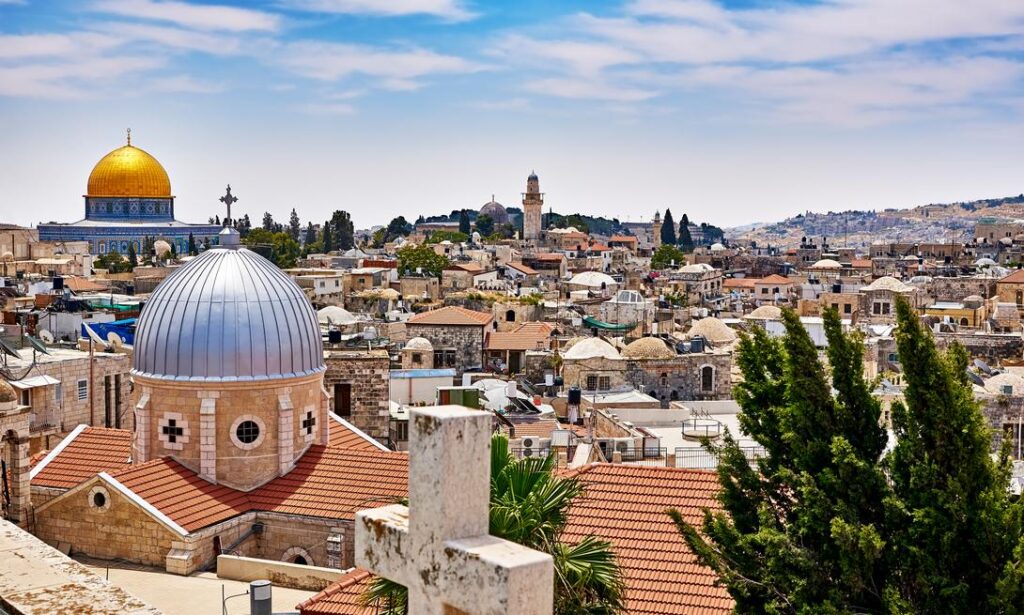
Although Jerusalem wasn’t Paul’s missionary field, he frequently returned here and was eventually arrested (Acts 21). For any Christian, a pilgrimage to Jerusalem is a profound spiritual milestone.
Walking the Via Dolorosa, praying in the Garden of Gethsemane, and visiting the Church of the Holy Sepulchre reminds pilgrims of the suffering, death, and resurrection of the Christ Paul gave his life to proclaim.
Rome – The Final Witness
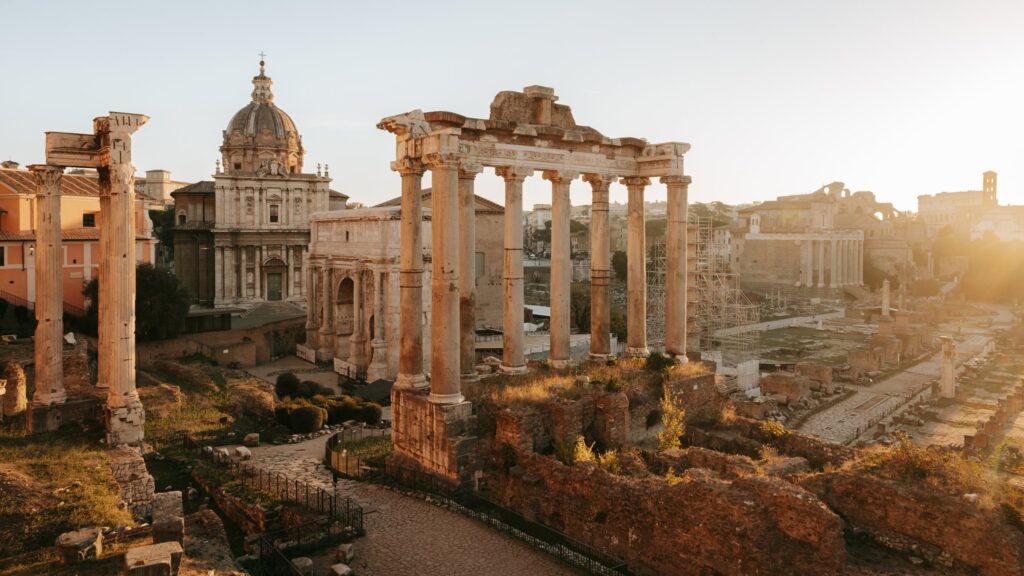
Paul’s final journey took him to Rome, where he was under house arrest and eventually martyred (Acts 28).
Rome invites pilgrims to pray at the Mamertine Prison, the Basilica of St. Paul Outside the Walls (his burial site), and the many churches dedicated to apostles and martyrs. In Rome, the story of Acts ends—but the mission of the Church continues.
Why Pilgrimage in the Footsteps of St. Paul?
To follow Paul is to follow a man consumed with zeal for Christ. His journeys were not comfortable vacations—they were dangerous, uncertain, and marked by suffering. Yet they changed the world.
A St. Paul pilgrimage calls each of us to embrace our own mission, to be bold in our witness, and to believe that the Gospel can still transform lives and nations. Walking where he walked can reignite a passion for faith that endures trials, engages the world, and hopes in the eternal.
Whether you’re a priest leading your parish, a layperson deepening your faith, or a seeker longing for purpose—a Pauline pilgrimage will stir your soul, stretch your spirit, and send you forth renewed.
Planning Your Pilgrimage
Many Catholic travel groups offer guided pilgrimages in the footsteps of St. Paul, combining expert biblical teaching, daily Mass, comfortable accommodations, and rich cultural encounters. Destinations may include:
- Israel and the Holy Land
- Turkey (Seven Churches of Revelation)
- Greece (Biblical sites + optional cruise)
- Rome and Vatican City
Each itinerary can be customized for parishes, seminaries, or faith-based groups.
Conclusion: Called to the Road
St. Paul reminds us that Christianity is not a passive faith—it’s a call to movement, mission, and meaning. When we trace his steps, we don’t just visit ruins or read inscriptions. We enter a living story—the story of the Church, of evangelization, of divine love for the world.
So the question is not simply: Where did Paul travel? The deeper question is: Will you go, too?
If this stirs your heart, consider organizing or joining a pilgrimage. The road awaits.
“I have fought the good fight, I have finished the race, I have kept the faith.” – 2 Timothy 4:7