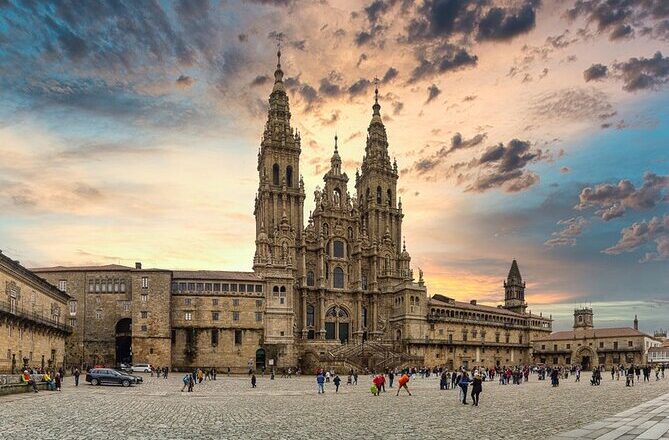
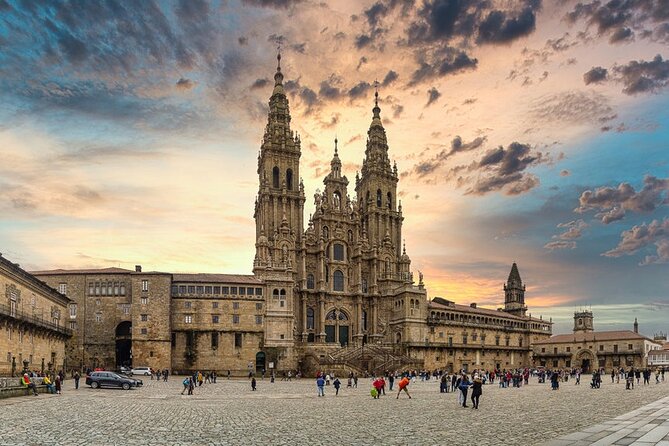
The Camino de Santiago, or The Way of St. James, is one of the most powerful and time-honored Christian pilgrimages in the world. For over 1,000 years, millions of pilgrims have journeyed—on foot, by bike, or even on horseback—to the Cathedral of Santiago de Compostela in northwestern Spain, believed to be the burial site of St. James the Apostle.
Today, walking the Camino is not only a physical challenge but a deeply spiritual journey. Whether you’re a Catholic pilgrim, a Protestant Christian, or someone seeking spiritual renewal, the Camino invites you to slow down, reflect, and reconnect—with your faith, with nature, and with yourself.
Why Christians Walk the Camino
Unlike traditional pilgrimages that focus on one shrine or location, the Camino is about the journey itself. Each day on the trail offers time for prayer, personal growth, and unexpected encounters with fellow pilgrims from around the world.
Top reasons Christians choose the Camino de Santiago:
- To follow in the footsteps of centuries of pilgrims
- To experience deep spiritual renewal and reflection
- To offer the physical effort as a prayer or intention
- To attend Mass in sacred places, including the cathedral in Santiago
- To receive the official Compostela certificate of completion
Many modern pilgrims return home changed—spiritually reawakened, emotionally refreshed, and physically renewed.
Main Routes of the Camino de Santiago
There are multiple ways to reach Santiago de Compostela. These are the most popular routes for spiritual travelers and Christian pilgrimage groups:
The French Way (Camino Francés)
This is the most famous and well-traveled route, starting in St. Jean Pied de Port, France, and crossing the Pyrenees into Spain. The full trail is about 500 miles long, ending at the Cathedral of Santiago. It passes through beautiful cities like Pamplona, Burgos, and León.
Best for: First-time pilgrims, those seeking the classic Camino experience, and large Christian groups.
The Portuguese Way (Camino Portugués)
Starting in Lisbon or Porto, this route winds north through Portugal and Galicia. It’s popular with those who want to incorporate a Marian pilgrimage to Fatima into their Camino journey.
Best for: Catholic pilgrims combining Fatima with Santiago.
The English Way (Camino Inglés)
This shorter route begins in Ferrol or A Coruña, and was historically used by British pilgrims arriving by sea. It’s perfect for those short on time or wanting a less crowded experience.
Best for: Travelers seeking a quieter, more private pilgrimage.
The Northern Way (Camino del Norte)
Following Spain’s rugged northern coast, this route offers dramatic ocean views, fewer crowds, and a more physically demanding trek.
Best for: Experienced hikers and pilgrims looking for scenic beauty and solitude.
Spiritual Significance of Santiago de Compostela
The heart of the pilgrimage lies in Santiago de Compostela, where pilgrims gather at the cathedral believed to house the relics of St. James the Greater, one of Jesus’ apostles. Attending the Pilgrim’s Mass at the cathedral is a highlight for many, and you may even witness the swinging of the Botafumeiro, a giant incense burner that fills the cathedral with smoke as a symbol of purification.
The story behind this pilgrimage dates back to the 9th century, when the tomb of St. James was said to have been discovered in Galicia. Since then, the Camino has been a vital route for spiritual seekers and penitents.
How to Prepare for the Camino
Walking the Camino is a physical, mental, and spiritual undertaking. Here’s how to make the most of it:
- Choose the route that fits your time and physical ability. The full Camino Francés can take 30–35 days, but shorter routes are available.
- Train in advance. Get used to walking with a backpack, and break in your shoes.
- Join a group pilgrimage with a Christian travel agency. Many offer guided tours with daily Mass, clergy leadership, and luggage support.
- Bring spiritual reading materials. A small Bible, rosary, or devotional can make your pilgrimage deeper.
- Reflect each day. Keep a journal and dedicate each day to a prayer intention or loved one.
Guided Christian Pilgrimage Tours on the Camino
If you’re not comfortable walking solo, consider joining a guided Christian Camino tour. Many agencies (including ours) offer spiritual pilgrimages that include:
- Daily Mass and confession opportunities
- Accommodations and meals
- Luggage transfers between stops
- Time for prayer, reflection, and fellowship
- A spiritual director or accompanying priest
These tours allow you to fully focus on your experience, without the stress of logistics.
Final Thoughts
The Camino de Santiago is more than a trail—it’s a sacred path of healing, discovery, and transformation. Whether you walk 500 miles or just the last 100 kilometers, the Camino offers a space for stillness, prayer, connection, and purpose.
If you feel the nudge to go, listen. The Camino has a way of calling those who need it most.
Ready to Walk the Camino?
We specialize in faith-based pilgrimage tours for individuals, couples, parishes, and church groups. Our Camino packages include everything you need to walk confidently and prayerfully—from accommodations and luggage transfer to a spiritual director and guided Masses.
Contact us today to start planning your pilgrimage to Santiago de Compostela.